

When I first heard about Crime Prevention Through Environmental Design – or CPTED (pronounced “sep-ted”) – I’ll be honest, I thought it was just another buzzword that someone in administration was excited about. Another acronym, another training day, another thing to add to the list of stuff we’re supposed to remember.
But then something happened that changed my perspective completely while working overnight.
The amount of businesses with blind spots, low light areas, dysfunctional camera systems of alarmed entrances that I came across for calls of service. Early morning calls with day staff noticing broken doorways, stolen items, or vandalized property. This became almost ritualistic for some of these businesses. Monthly reports of theft, closure for maintenance, shrink related to stolen products, or general trespassing and loitering issues due to the building’s layout, security, or location.
Now you can’t always change the crime rate of the area or clientele of the organization. But you can affect how the internal and external areas of the property are interacted with. Not through something like armed security or event increased patrol efforts. This can all be done through the environment. You can use these principles to educate your business owners, community leaders, and even other law enforcement officers. Less property crimes, more profitable business. Win-Win.
What CPTED Actually Is
So let me break down what CPTED really means in plain English. CPTED is a way of designing buildings and spaces that naturally reduces crime opportunities and makes people feel safer. It’s about using design, management, and how we use spaces to stop crime before it happens.
The basic idea came from researcher Jane Jacobs back in the 1960s. She noticed something interesting – crime went up in places where neighbors didn’t interact with each other and where people couldn’t see what was happening on their streets. She called it the lack of “natural guardianship.” When nobody’s watching and nobody cares, criminals know it. As well, Similar to the bystander effect, not having a sense of ownership or buy in to something or assuming that it will handle itself, people don’t tend to intervene in criminal acts for something they don’t find value in or connection to.
Think about it this way. Would you be more likely to break into a house that’s clearly visible from three neighbors’ windows that have dinner together once in a while, or one that’s hidden behind tall bushes and solid fences where nobody can see what you’re doing?
The Core Principles That Actually Matter
Let me walk you through the main ones that I actually use when I’m doing security assessments.
Natural Surveillance, the term for “can people see what’s going on?” It’s all about visibility. Windows that aren’t blocked by posters. Landscaping that doesn’t create hiding spots. Lighting that actually lights up the areas where people walk. The goal is to make potential offenders think “someone might see me doing this” and decide to move on to an easier target. This is typically an issue on the rear of the building. The part that didn’t get the same love and attention as the front. Generally, isn’t as clean, well structured, or visible or surveilled by the public.
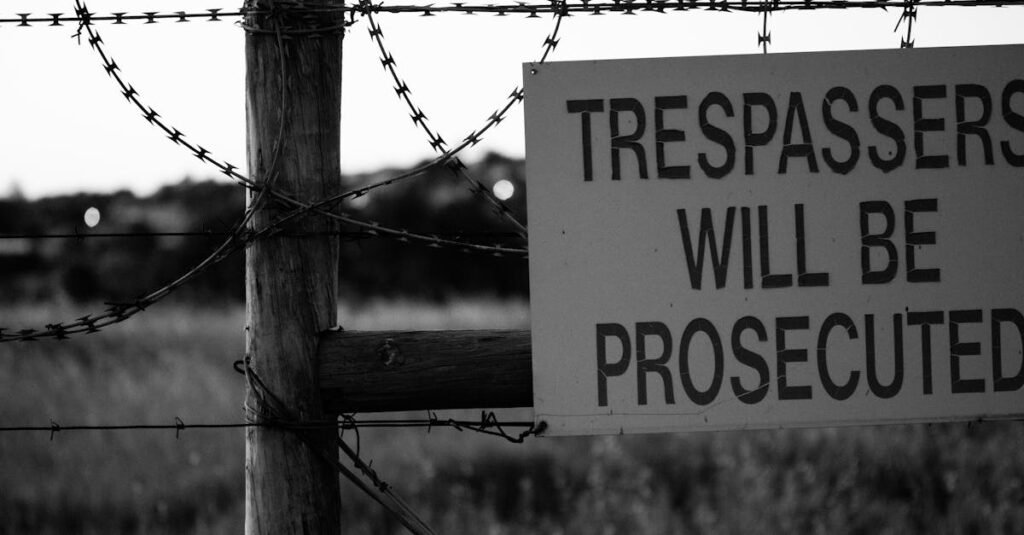
Natural Access Control means guiding people where you want them to go and making it harder to access areas where they shouldn’t be. This doesn’t mean building a fortress with barbed wire – that’s “target hardening” which is different. Natural access control is more subtle. It’s about using landscaping, walkways, fences or even greenery that you can see through, and design features to channel people to proper entrances and away from private areas.
The main concept that takes this principle to the next level is to have what is called a celebrated entrance. A celebrated entrance is what the business or organization has decided to be the dedicated main entrance by additional signage, inviting foliage that funnels into the building, grand lighting or architectural pieces that screams “this is ours’ and we are proud of it.”
One thing I’ve learned is that there’s a big difference between access control that feels welcoming and stuff that makes a place feel like a prison. Good CPTED should make legitimate users feel comfortable while making unauthorized access seem difficult to others.
Territorial Reinforcement is basically about creating a sense that someone owns and cares about a space. This ties into the “Broken Windows Theory” – you know, the idea that if there’s one broken window and nobody fixes it, pretty soon there’ll be more broken windows and then worse problems. When a place looks maintained and cared for, it sends a message that people are paying attention here. Good environmental design can increase the perceived likelihood of detection and apprehension – and that’s the biggest crime deterrent there is. Incorporate this with other businesses around the area that shows cooperation and a sense of community. A sort of “you mess with one of us, you mess with us all” mentality that makes people second guess there actions.
Prickly vegetation is another CPTED strategy that works great. Plant things like Thorny Vine plats, roses, or even cactus under windows that might be vulnerable. Makes climbing through a lot less appealing. Choose plants that are native to your region but serve this defensive purpose. As well as short prickly bushes that line the building or walk ways that will maintain a designated route, adding to your natural access control.
Where CPTED Gets Really Interesting
Good CPTED shouldn’t make spaces feel unwelcoming or over-policed. The goal is safer communities where people actually want to spend time, not fortress neighborhoods where everyone’s scared and isolated.
CPTED thinking considers things like social cohesion and community connections. It’s not just about the physical environment – it’s about building neighborhoods where people know each other and look out for one another. That’s the “natural guardianship” concept Jane Jacobs was talking about back in the 60s. Especially in school settings. It’s about creating environments where students, staff, and visitors can clearly see entrances and parking areas, where there aren’t hidden corners where bullying or other problems can happen unseen, and where the design itself encourages positive interactions.
Common Mistakes I’ve Seen
Let me tell you about some mistakes that get made over and over, because maybe it’ll save you from making them too.
Over-decorating windows. Retail stores are the worst offenders. They’ll cover every square inch of window space with sale signs and product ads. Then they wonder why they keep getting robbed. The more visibility the better from inside out. Things like smaller ads, one-way transparent signage, or signage at a higher level so that the eye line and lower are open work the best.
Privacy fences everywhere. I get it, people want privacy. But solid 6-foot privacy fences around your entire property actually make you less safe. They prevent neighbors from seeing if someone’s messing with your house. Consider using privacy fencing only where you actually need it – around a back patio or pool – and use more open fencing elsewhere. This is primarily an issue in single or multi-family homes, though some businesses like car lots can have the same issue. I know you want to ensure the product is safe but who will be able to keep an eye on your lots when everyone goes home for the night? yes your cameras may see the events but no one will know until the morning. Leaving sight lines from the street to the lot open will allow the chance for passerby’s to report any suspicious activates.
Neglecting maintenance. This is maybe the biggest one. CPTED only works if you keep up with it. Burnt-out lights, overgrown landscaping, graffiti and vandalism that doesn’t get painted over – all of these signal that nobody’s paying attention. And when nobody’s paying attention, crime moves in.
Why This Matters for Law Enforcement
Here’s why I think every officer should understand CPTED principles, whether you’re working patrol, investigations, community policing, or in a school setting.
First, it gives you a framework for doing security assessments that’s actually backed by research. When business owners or citizens ask for advice about security, you can give them specific, actionable recommendations that go beyond “get an alarm system” or ” invest in cameras.”
Second, understanding CPTED helps you identify environmental factors that might be contributing to crime patterns in your area. That parking lot that keeps having car break-ins? Maybe it’s surrounded by solid fences and has terrible lighting. That convenience store that’s been robbed four times? Check if you can see the clerk from the street. Visibility is the name of the game. Being able to see the offender and the offender being able to see who he is effecting can be an effective tool. Many offenders prowl the area they are nearest too just outside of where they will be effected. Most will not steal from a gas station they frequent or other places they have a connection to. What’s the best deterrence for crime? Community and utility – creating a sense of ownership, relation, or utility in something generally leans people towards stewardship, not crime.
Third, CPTED principles can be incorporated into crime prevention programs and community outreach. These can come in the form of help for the impoverished, community center events, cross organization promotions and cooperation, and more. Look into your local organizations, city councils, or big box stores and see how they can create a more cohesive community.
The Bottom Line
Crime Prevention Through Environmental Design isn’t about making places look like prisons or fortresses. It’s about smart design that makes spaces safer while still being welcoming and functional. It’s about visibility, access control, showing that someone cares about the space, and maintaining what you’ve built.
The research backs it up, organizations like NASRO and the International CPTED Association are actively teaching and promoting it, and it works in real-world applications from schools to businesses to residential neighborhoods.
So next time someone asks you for crime prevention advice, don’t just tell them to lock their doors. Give them some CPTED principles they can actually implement. Help them see their property through the eyes of someone who might want to commit a crime there, and then help them fix those vulnerabilities through smart environmental design.
This can be a stepping stone in your career. Becoming more then reactionary, but anticipatory and prepared leads to better results. That’s the game.
Stay safe out there, and remember – sometimes the best crime prevention tool isn’t your gun or your cuffs. Sometimes it’s a well-trimmed bush and a motion-sensor light.